Berbes
Berbes has always been my favourite locality — both for the hands-on work of extracting and for the exceptional quality of the Fluorites we pulled from these mountains. Most of the Berbes Fluorites in our shop were personally mined by me across numerous trips throughout the 1980s and 90s. In this blog, I'll walk you through our work at the mines and the extraction process.
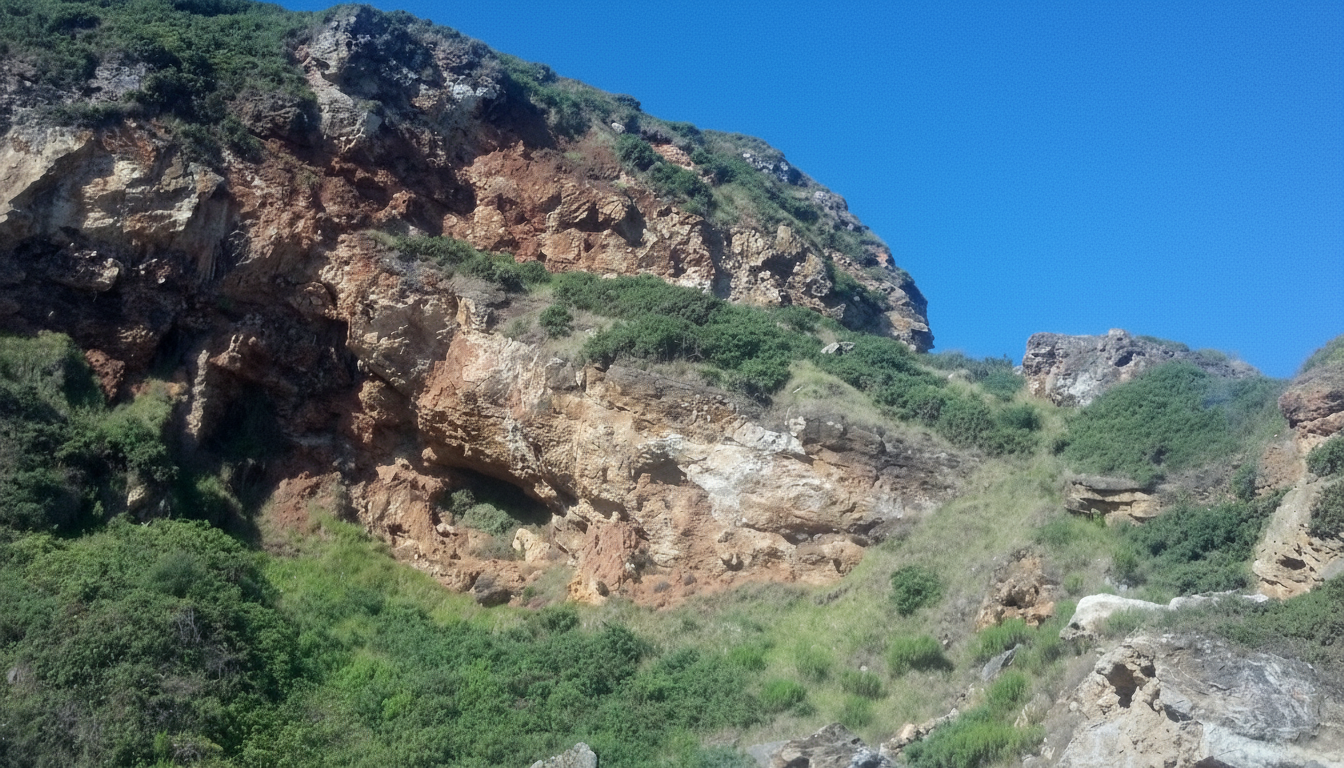
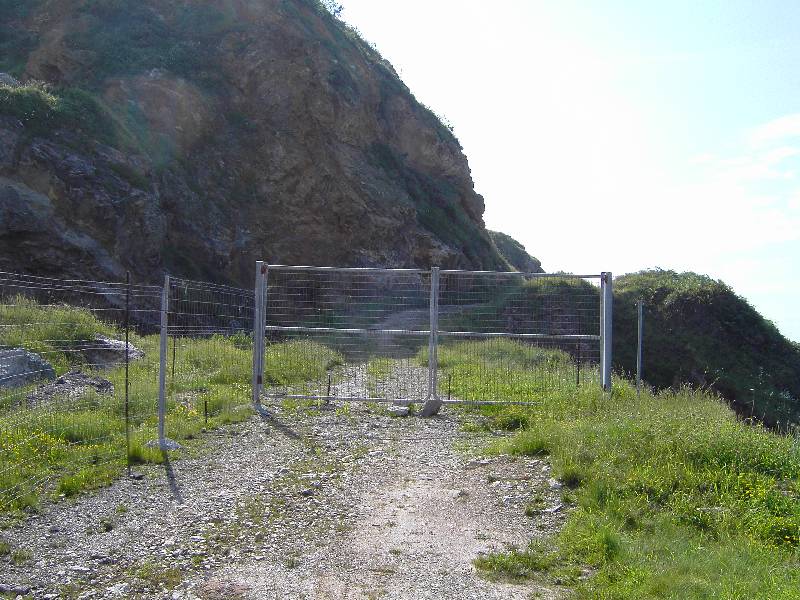
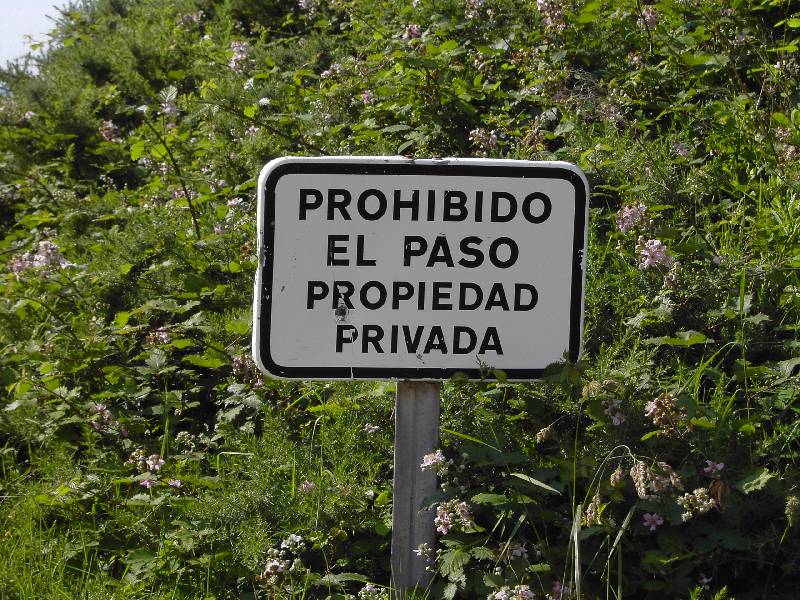
Access to the mining site was strictly prohibited — but that was never going to stop an enthusiastic mineral collector on the hunt for treasures.
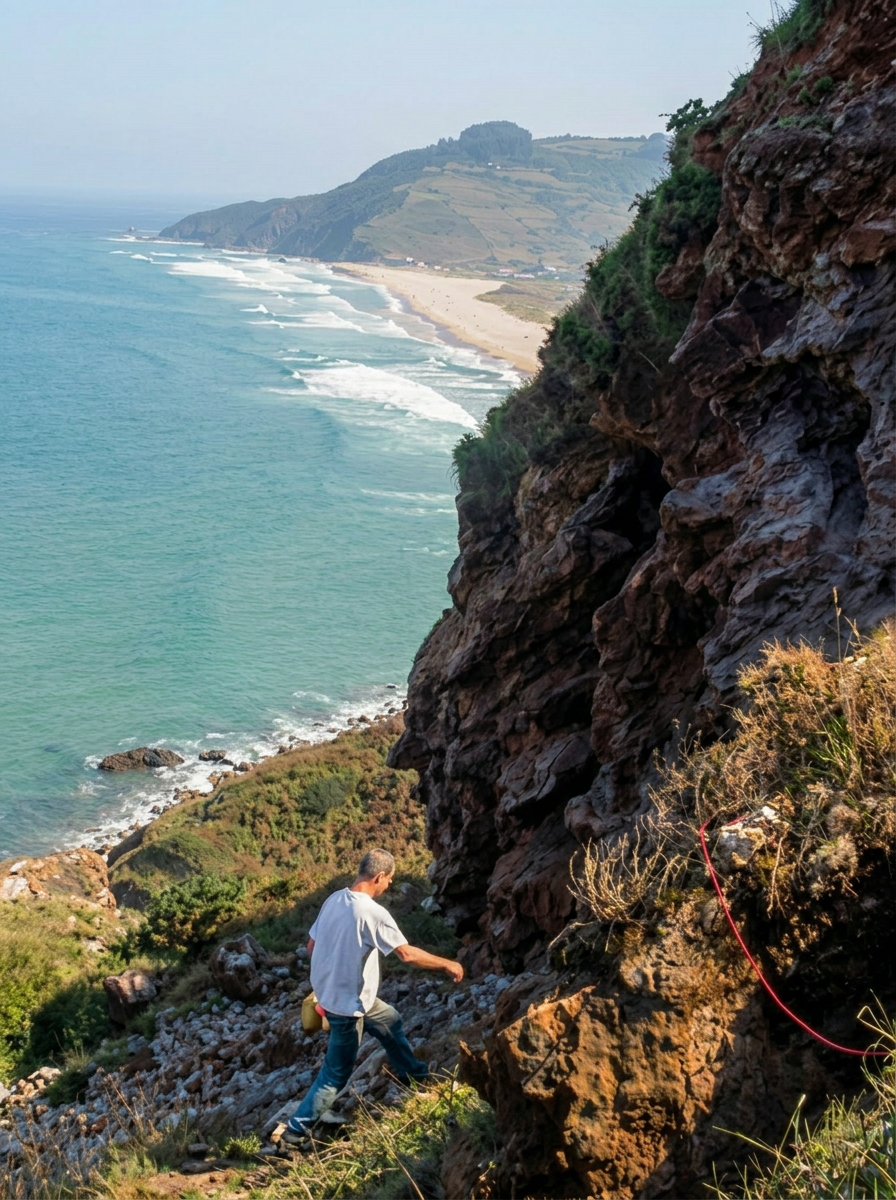
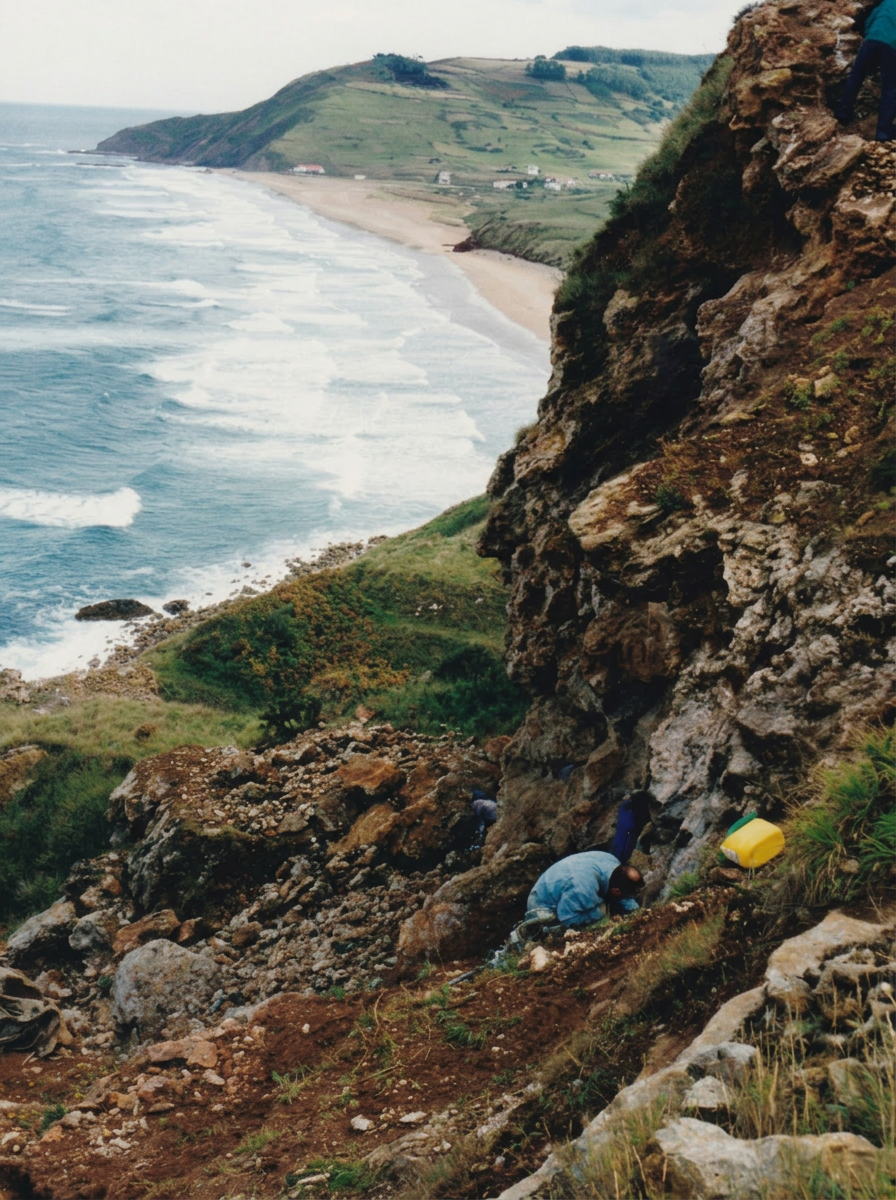
Stefan in Berbes
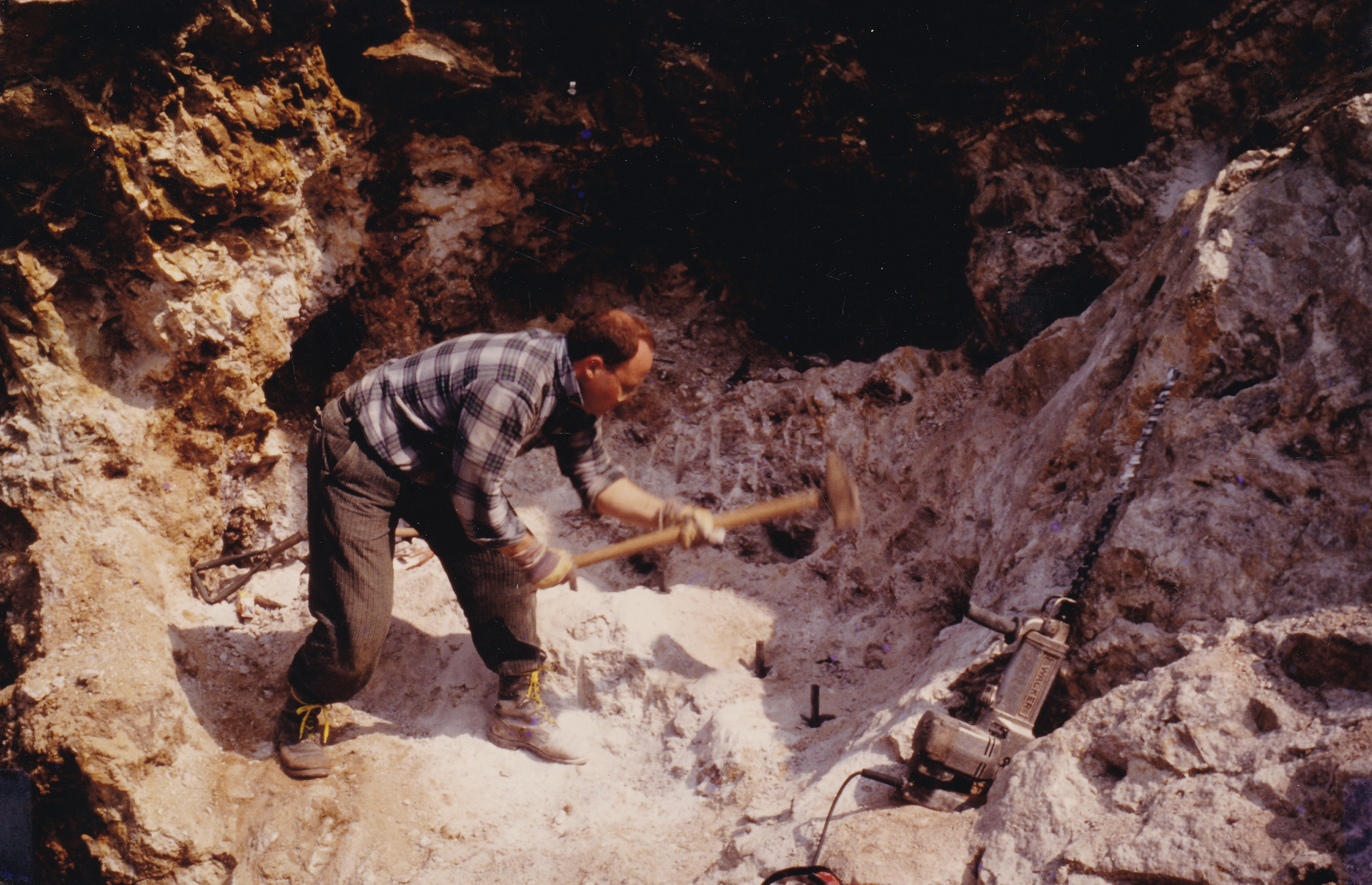
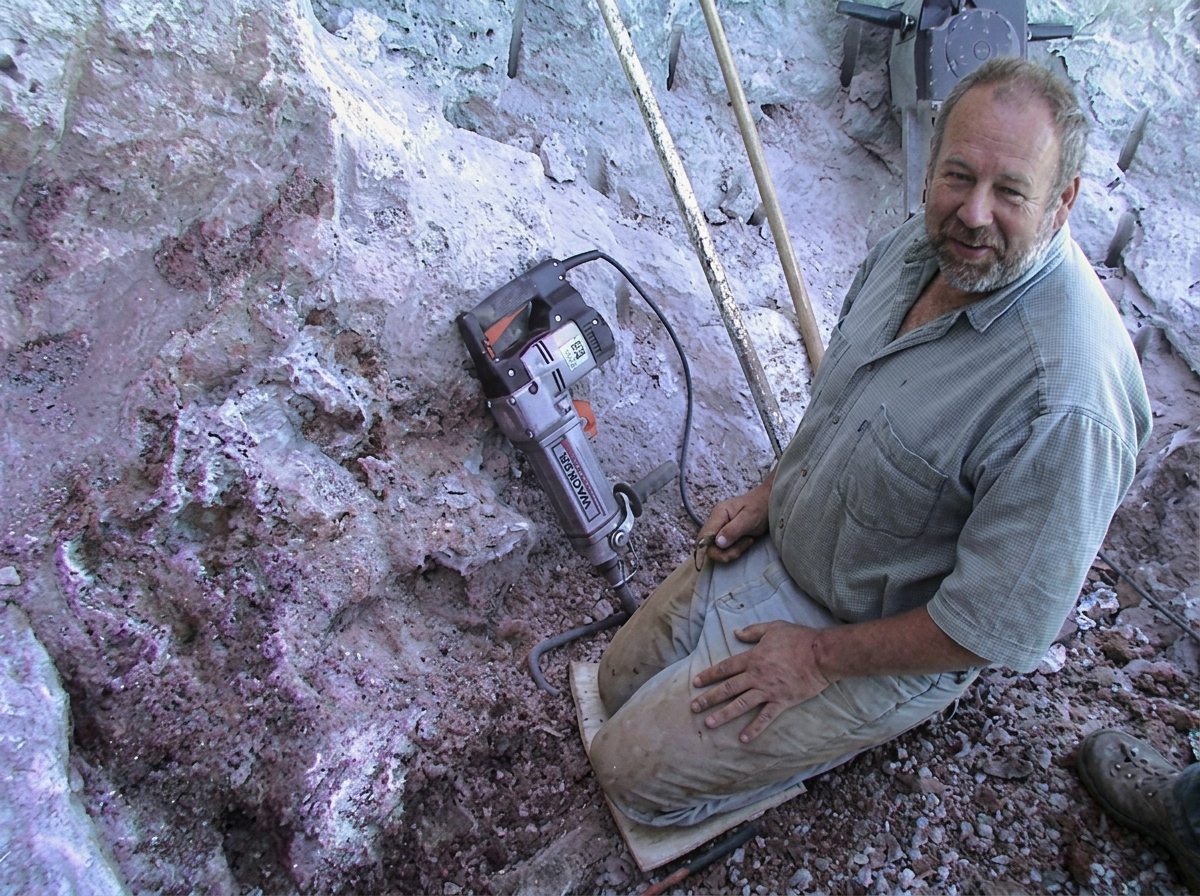
These photos trace my work directly at the pocket wall — from first access and drilling to hand work with the hammer.
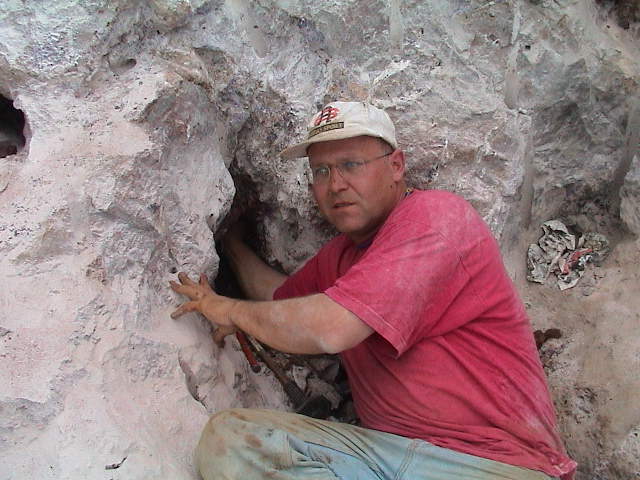
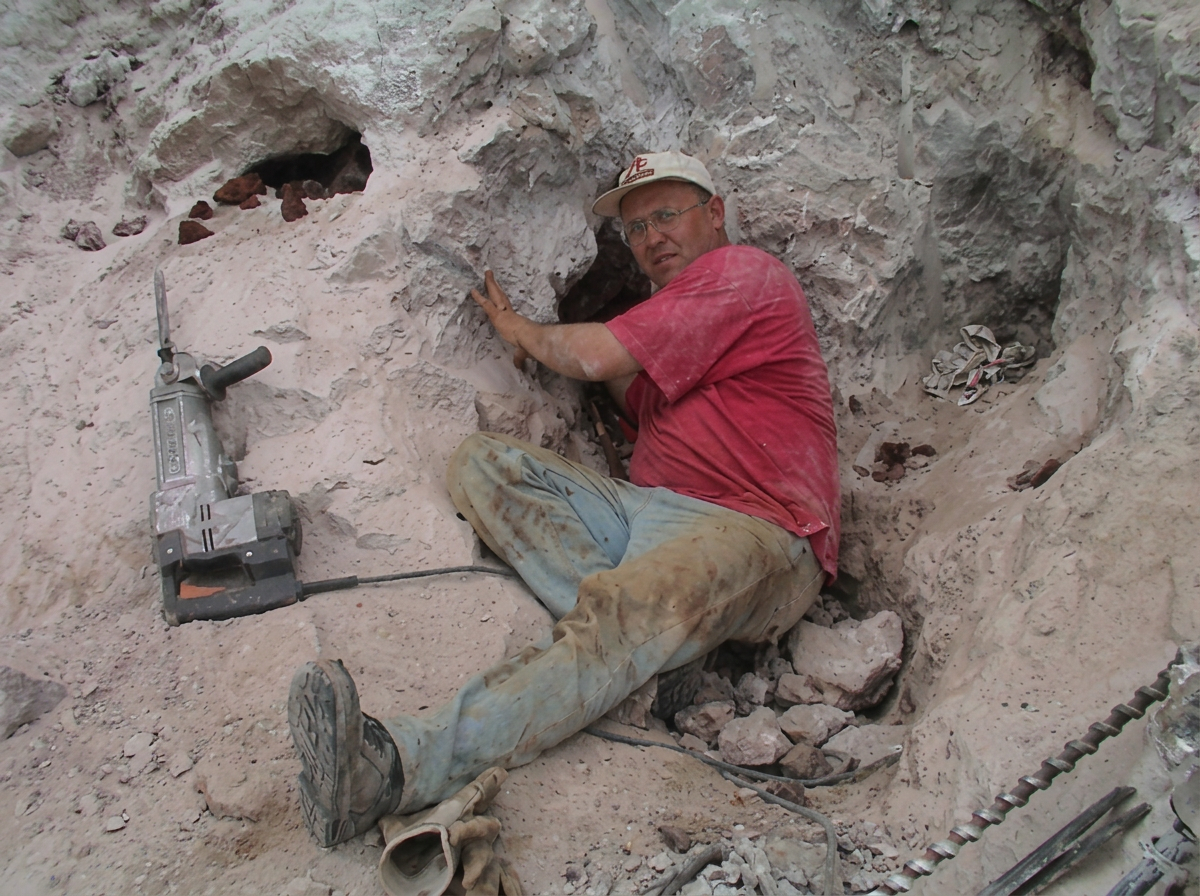
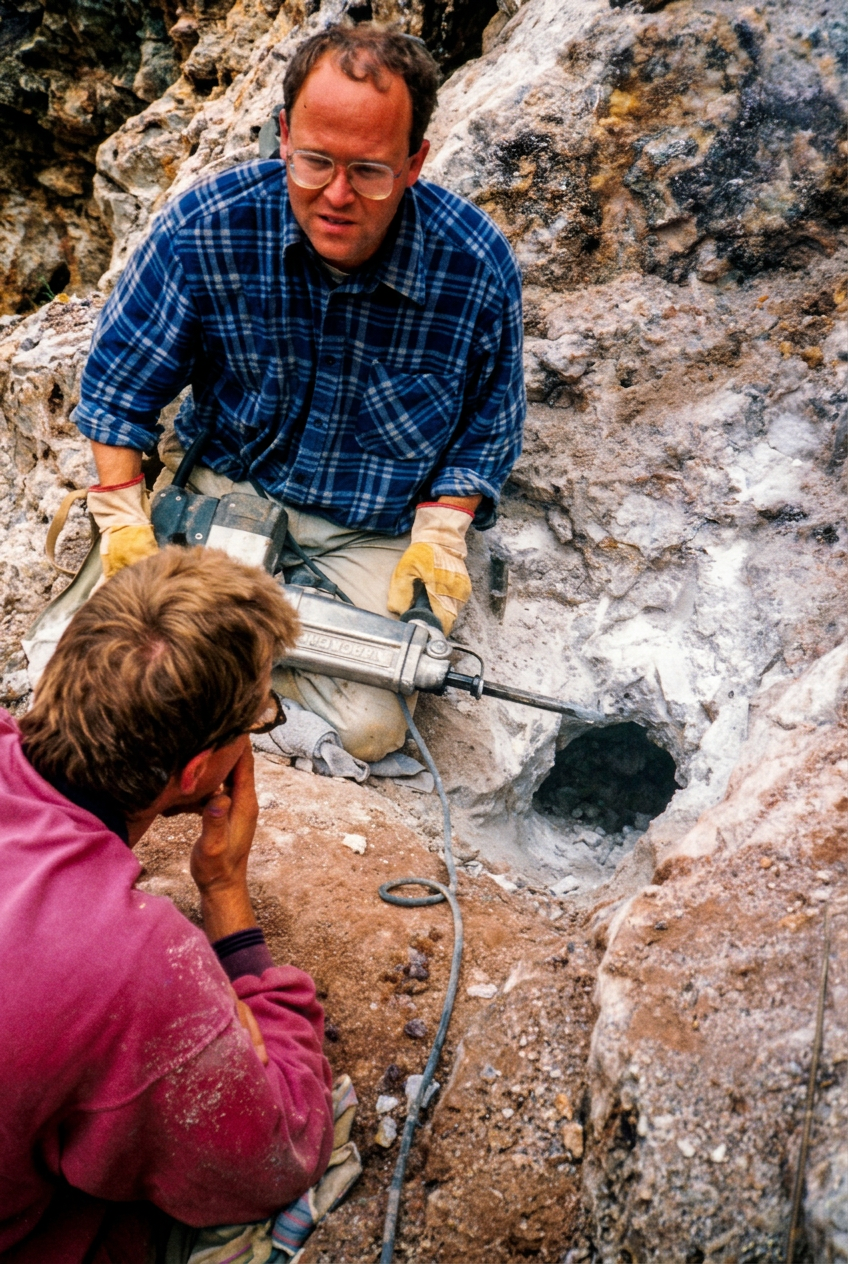
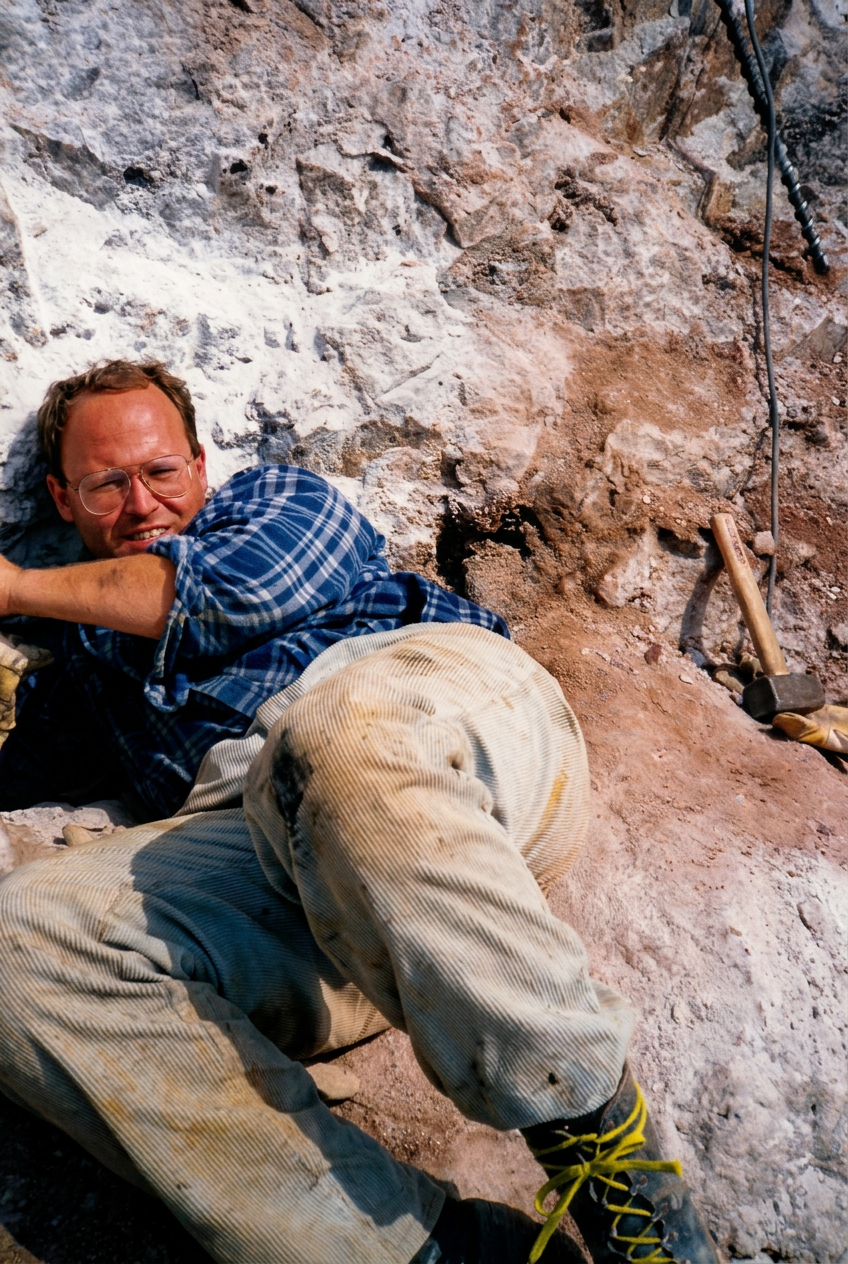
We always loved coming to Berbes — working the pockets and extracting pieces. Especially when finding something extraordinary, it felt like Christmas to us. Even though the labour was hard, from carrying the equipment up the mountain to hauling our finds back to the hotel, we loved every minute of it.
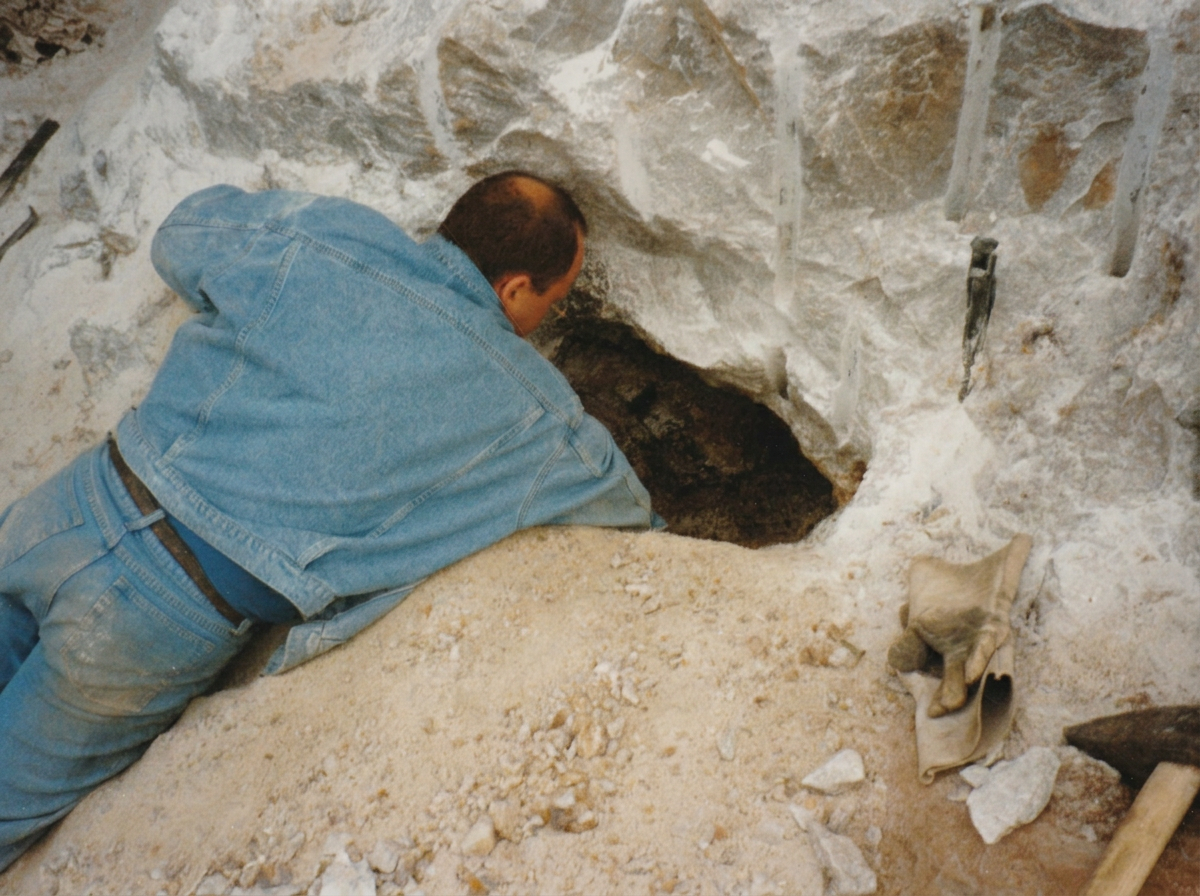
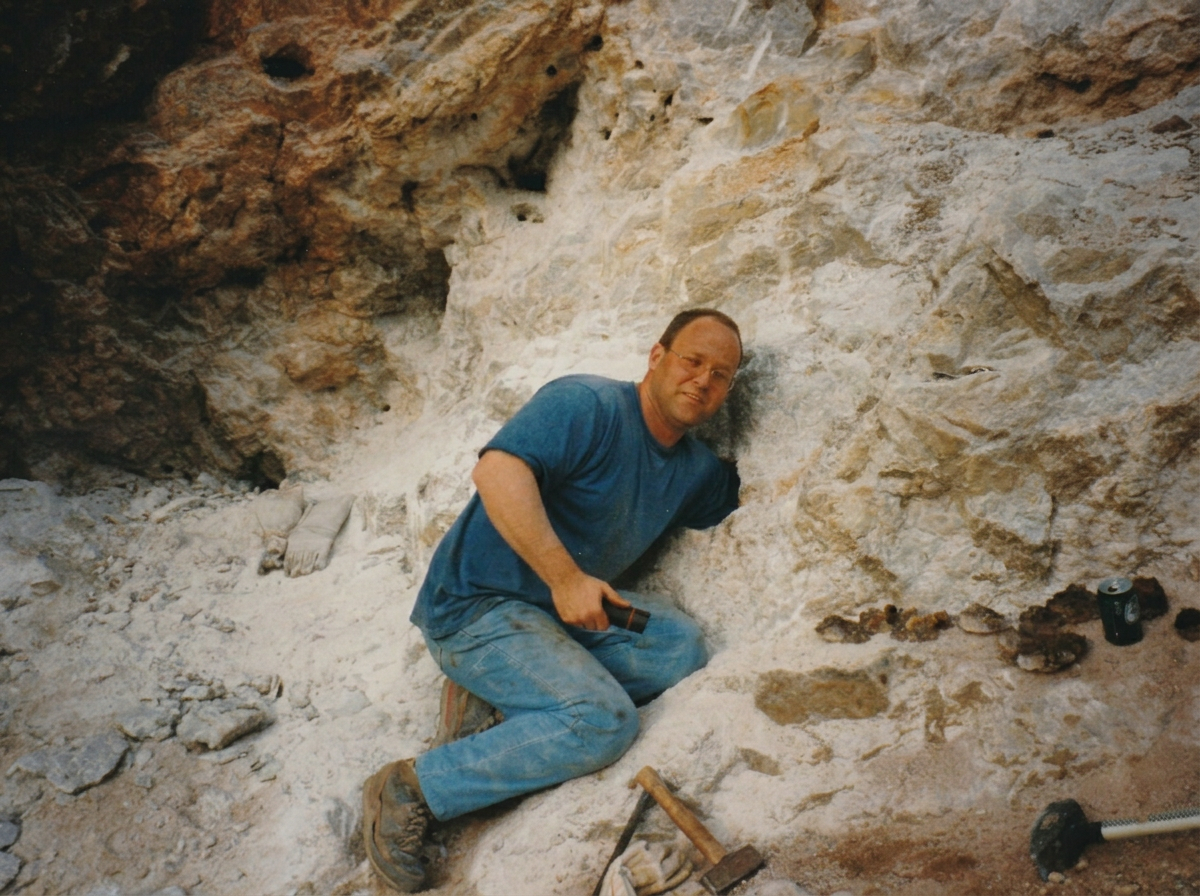
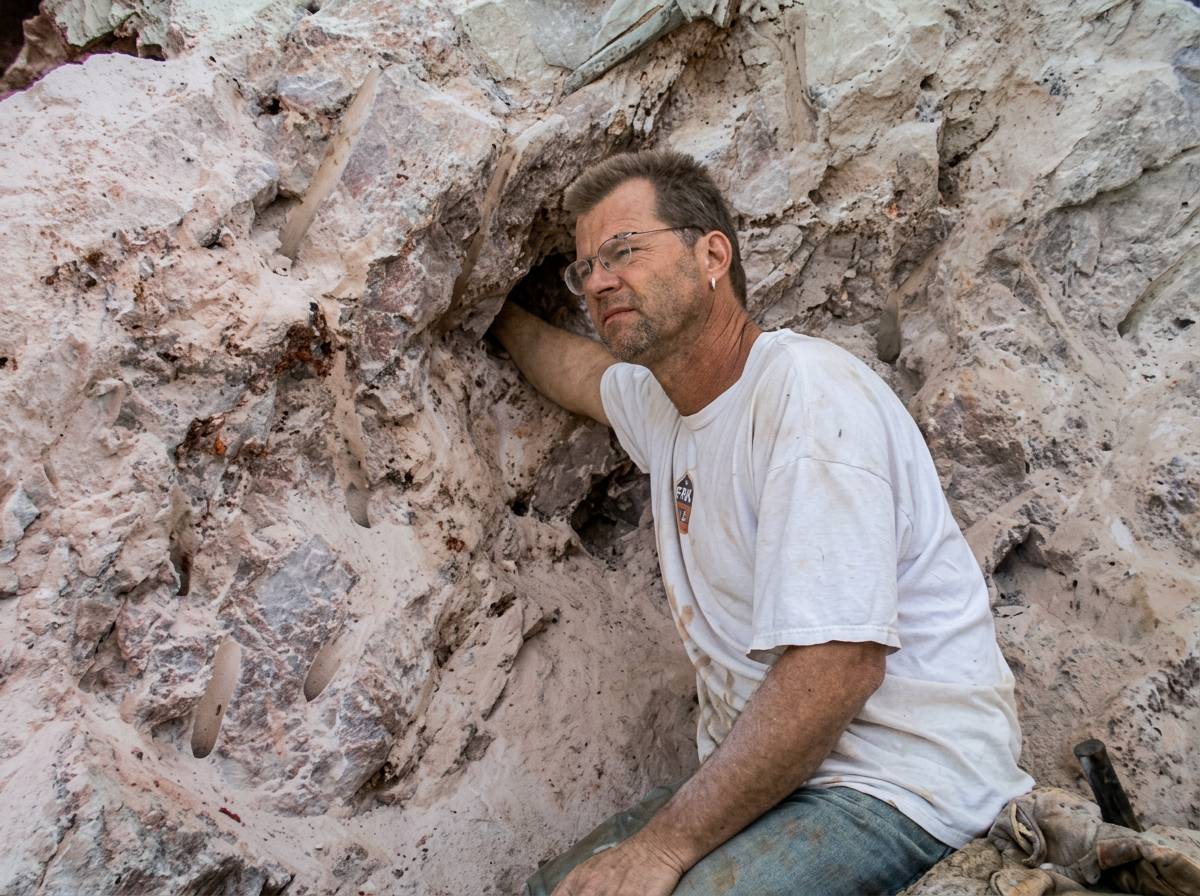
In the two pictures above, you can see me reaching into a pocket in search of highly unusual Fluorites from this part of the locality. As visible in the left photo, the pocket interior is notably clean — not covered in mud like the ones at the so-called French Wall. This was always a telltale sign: clean pockets here yielded Fluorites that differed greatly from the classic pale purple specimens typical of the French Wall, whose pockets were invariably caked in mud.
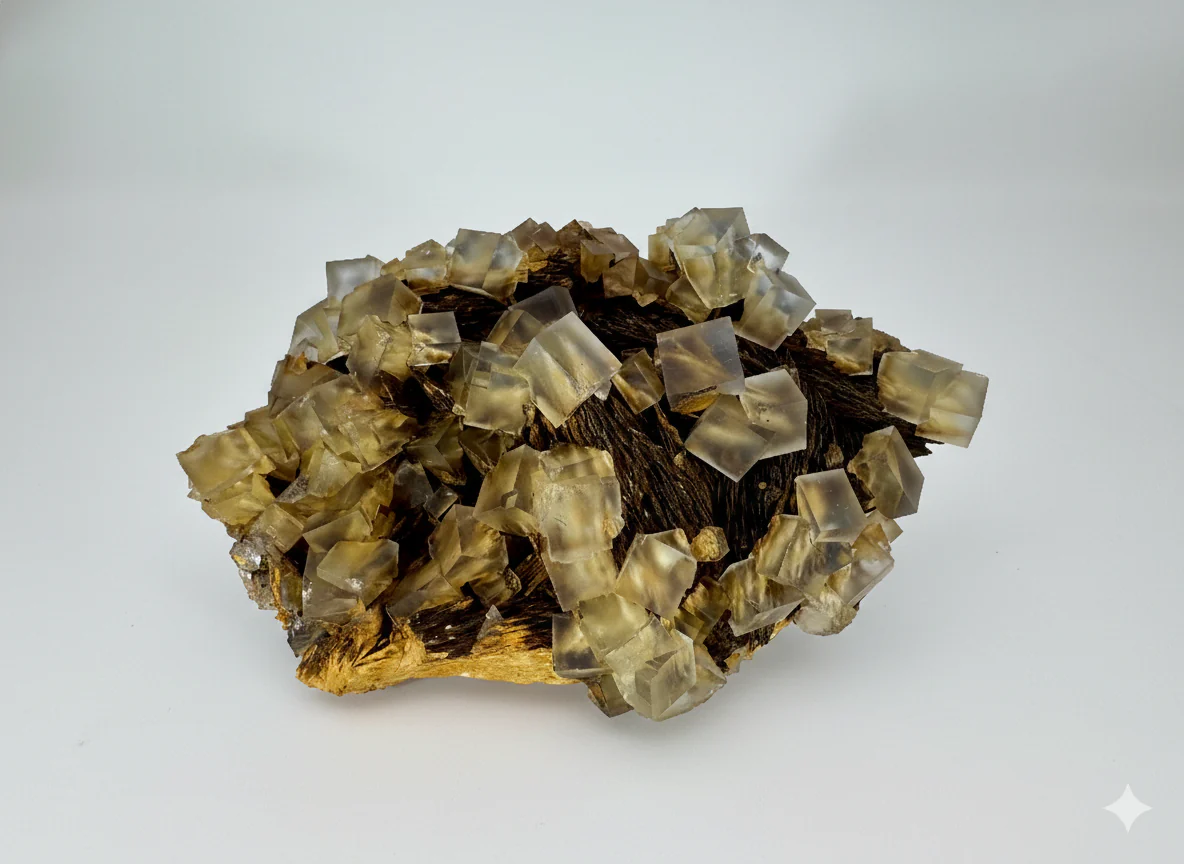
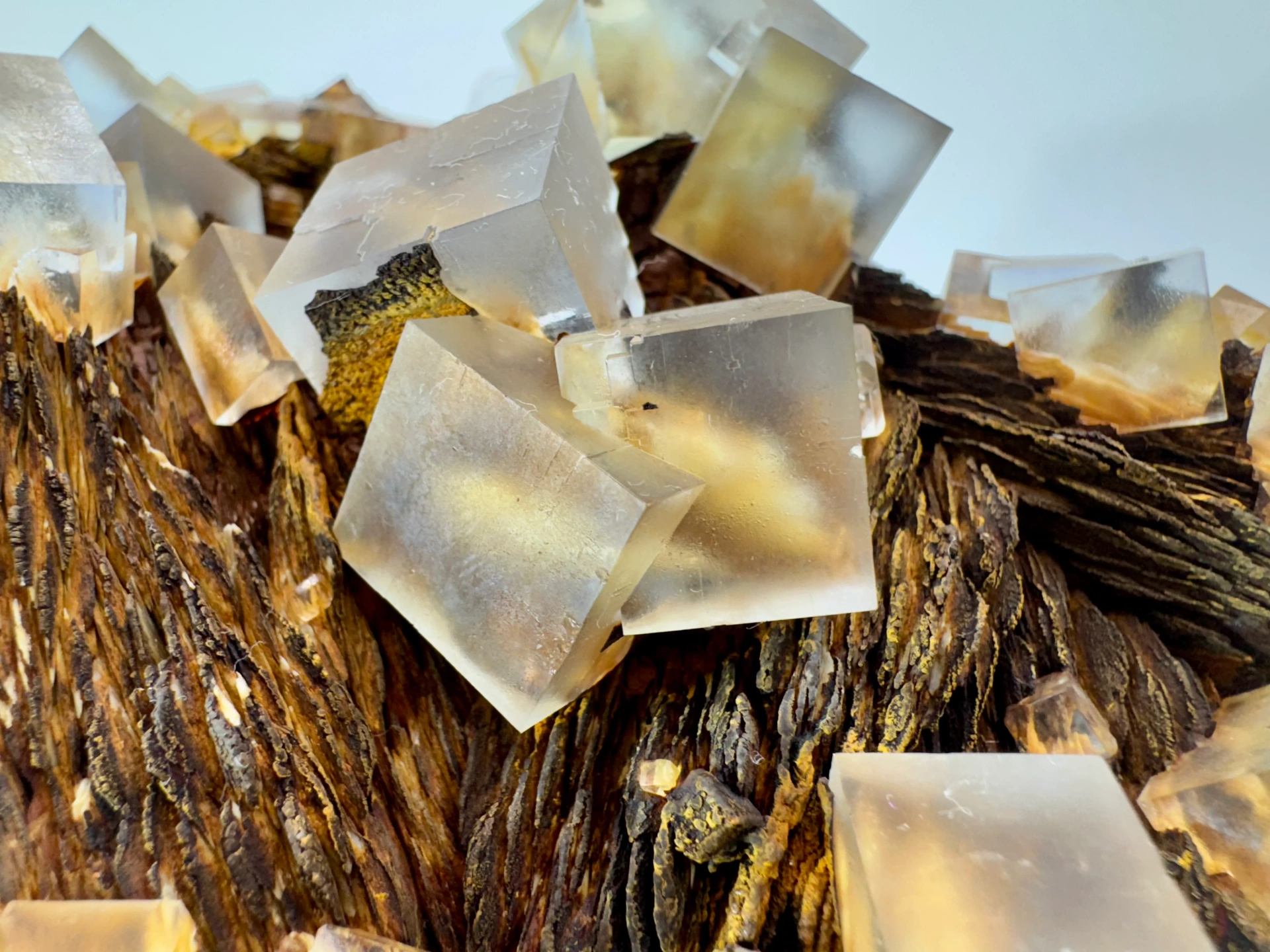
→ View this specimen in our store
Crystal forms of Asturian Fluorite
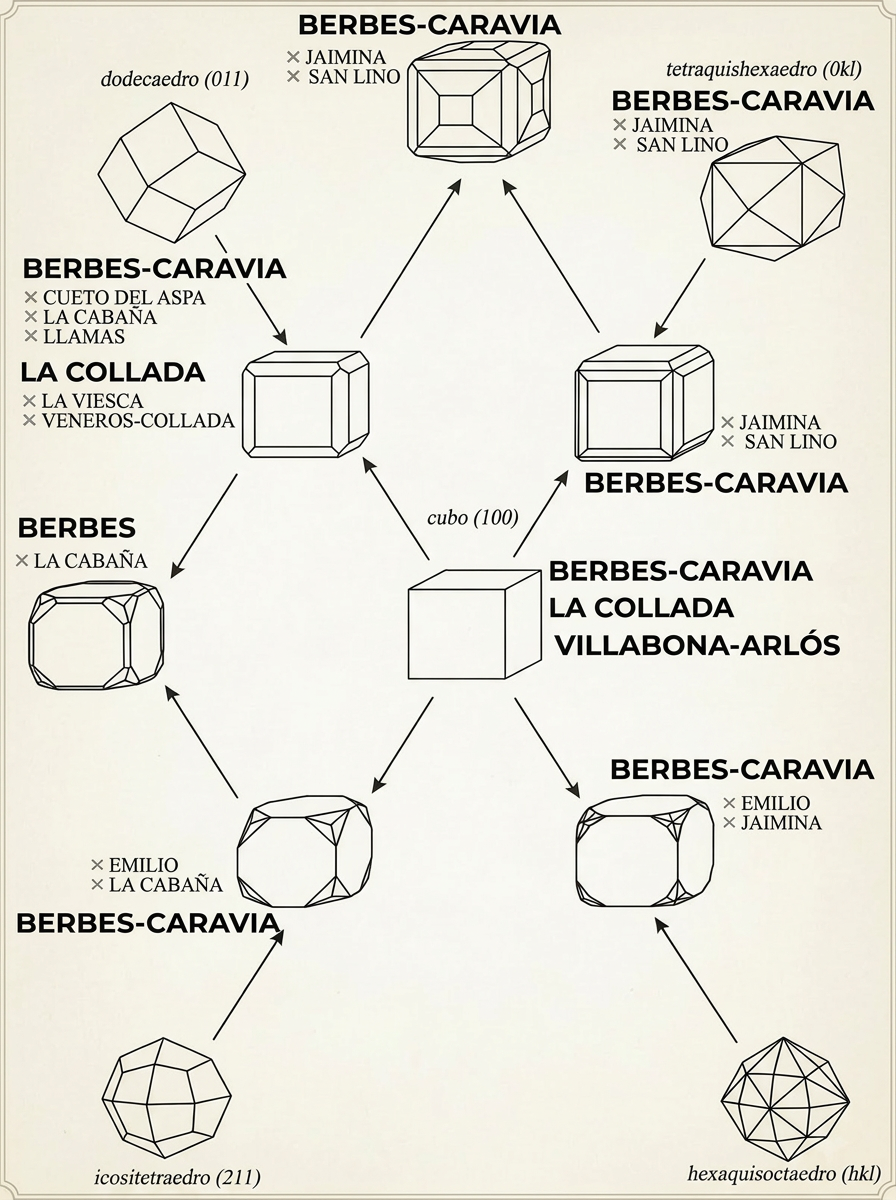
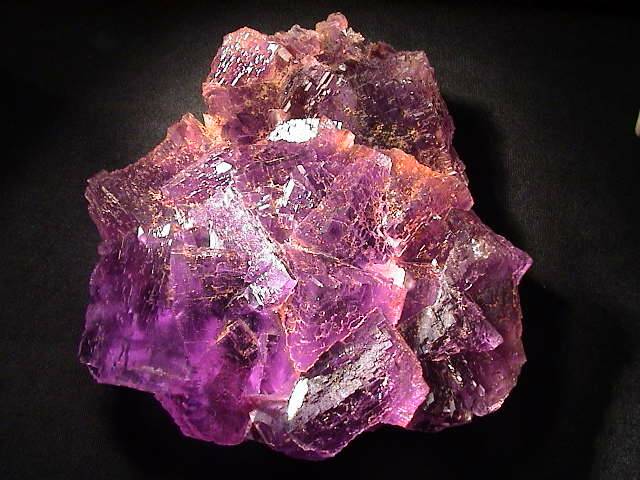
Fluorite is one of the most morphologically diverse minerals, and the deposits across Asturias showcase this beautifully. While the basic cubic habit — the cube (100) — is the most common form found across the region, the crystals from different mines display a remarkable range of modified habits. Dodecahedral faces (011), tetrahexahedral bevels (0kl), and even complex icositetrahedral (211) or hexaquisoctahedral (hkl) forms appear depending on the specific locality and the conditions under which the crystals grew.
What makes Berbes Fluorite particularly distinctive is the dominance of well-formed cubic crystals, often with slightly modified edges. The La Cabaña workings at Berbes are known to produce cubes with subtle dodecahedral truncations — giving the crystals a rounded, almost gem-like appearance. In contrast, the Jaimina and San Lino mines of the Berbes-Caravia district tend to yield more complex habits, including tetrahexahedral and dodecahedral forms. La Collada, a separate mining district further inland, adds yet another dimension with its own characteristic crystal forms. This morphological diversity across Asturias is what makes the region — and Berbes in particular — one of the most scientifically and aesthetically significant Fluorite localities in the world.
Fluorite recovery
Here you can see an opened pocket after working with heavy equipment. When we first cracked this one open, we already had a feeling it was something special — just look at the size of those cubes!
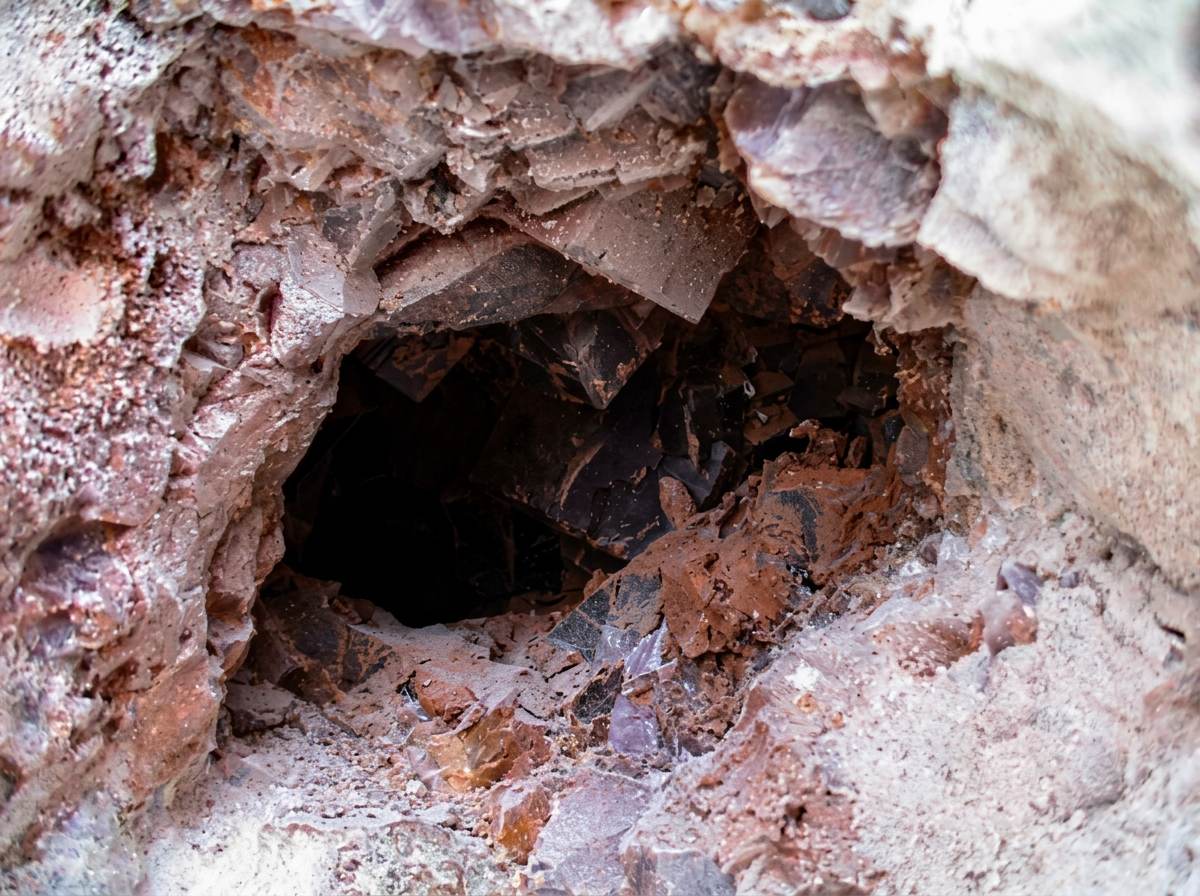
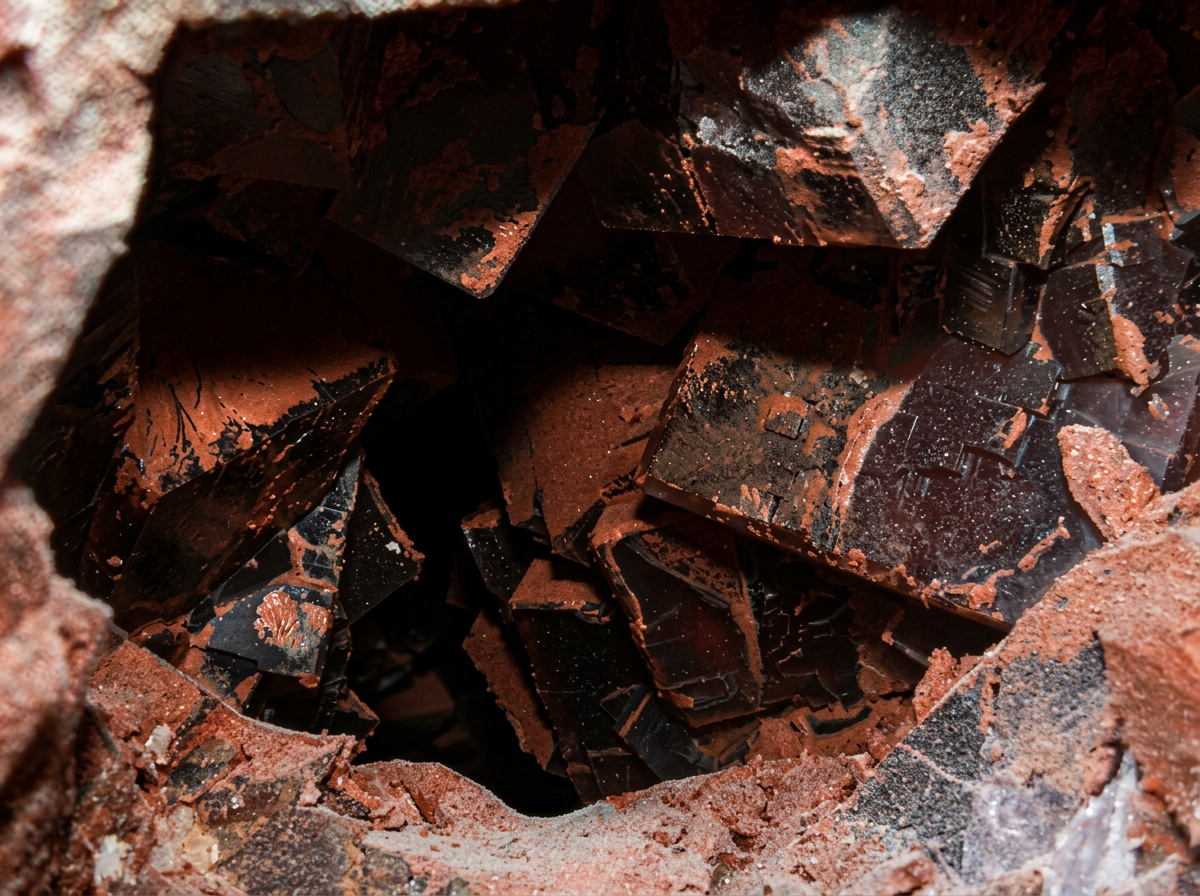
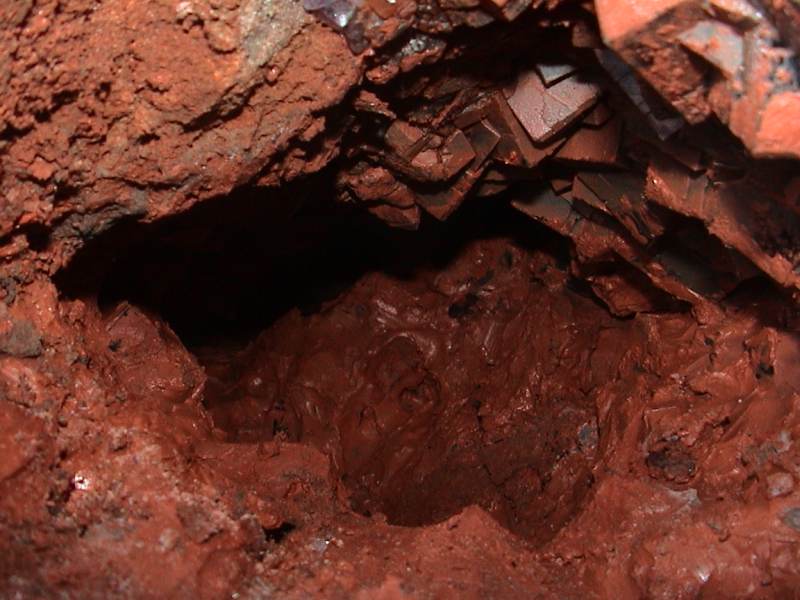
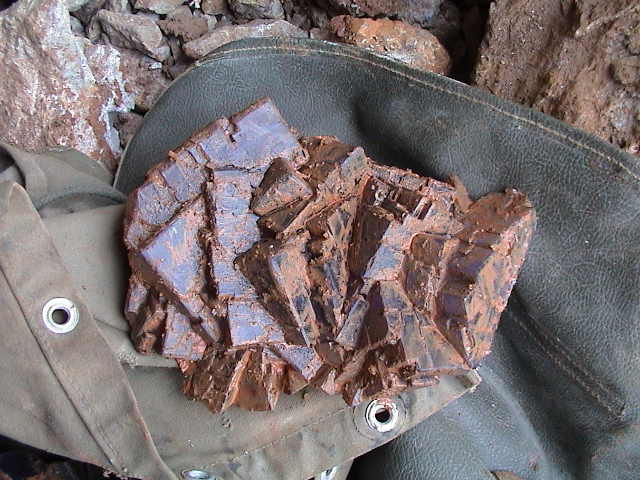
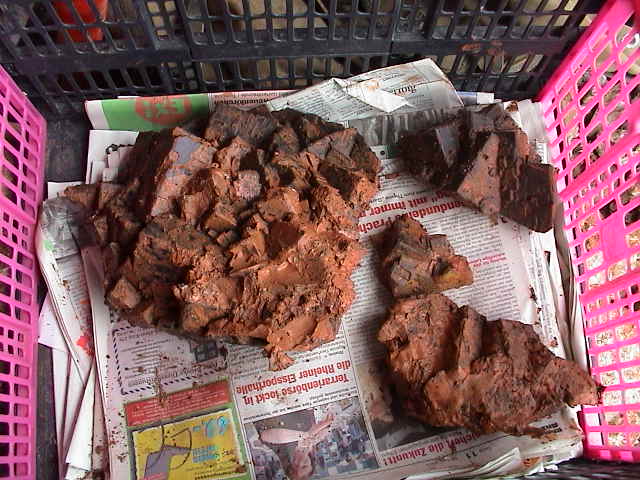
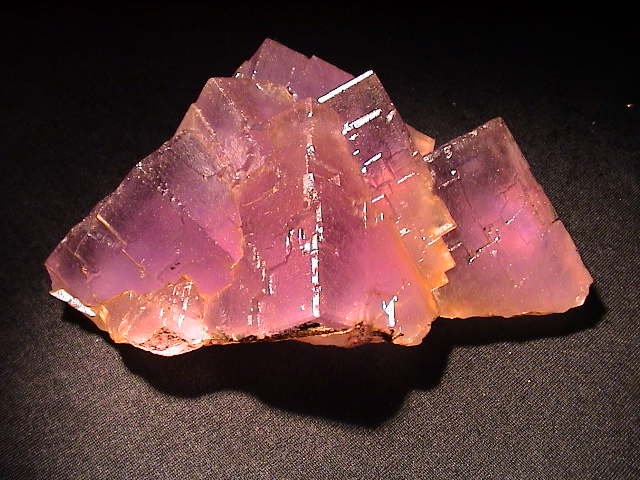
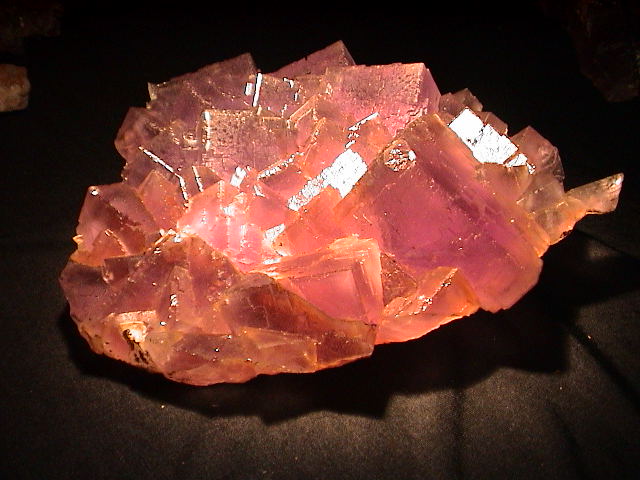
When retrieving the Fluorites out of a pocket, they are covered in mud. On our way back to Germany across borders, we never cleaned the pieces, in order to avoid hassle with a potential custom control. Only when reaching home, the true beauty - after a thorough cleaning - can be appreciated.
Field work at the locality
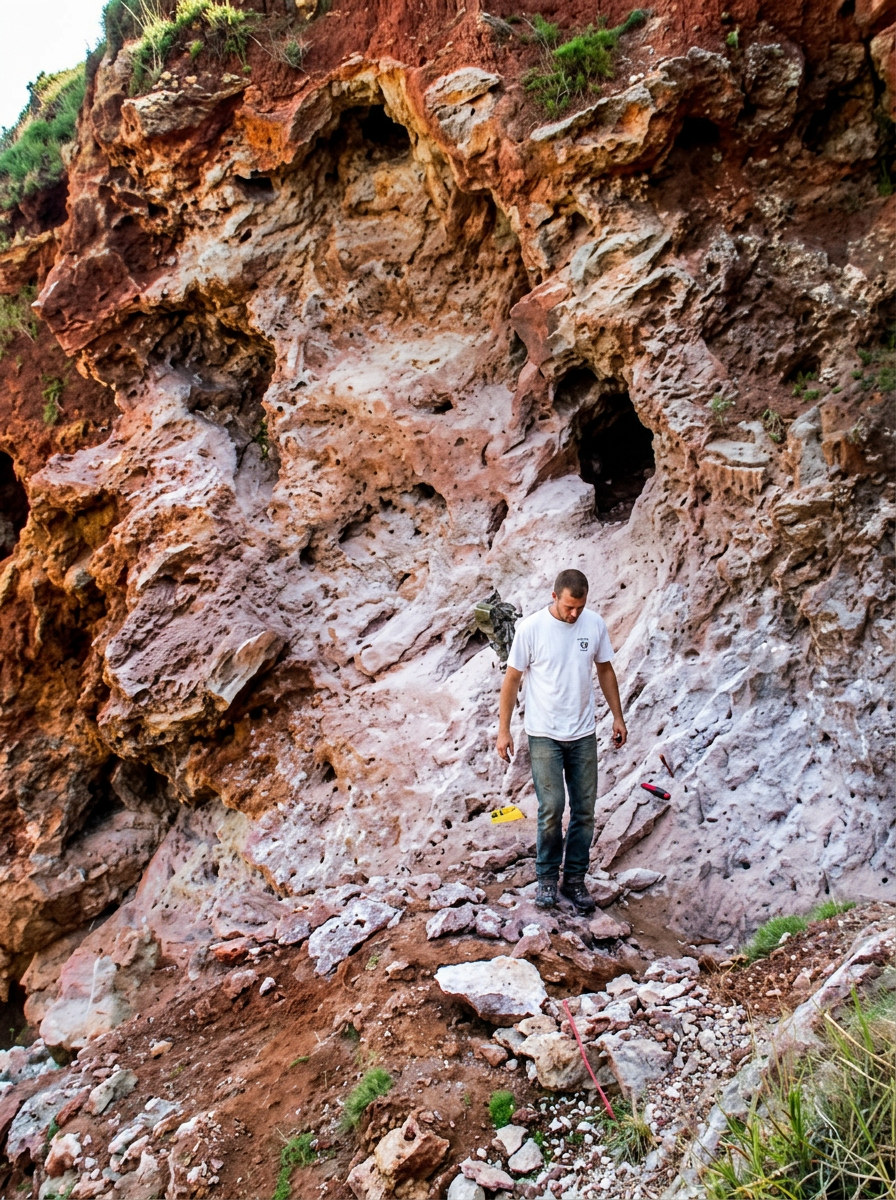
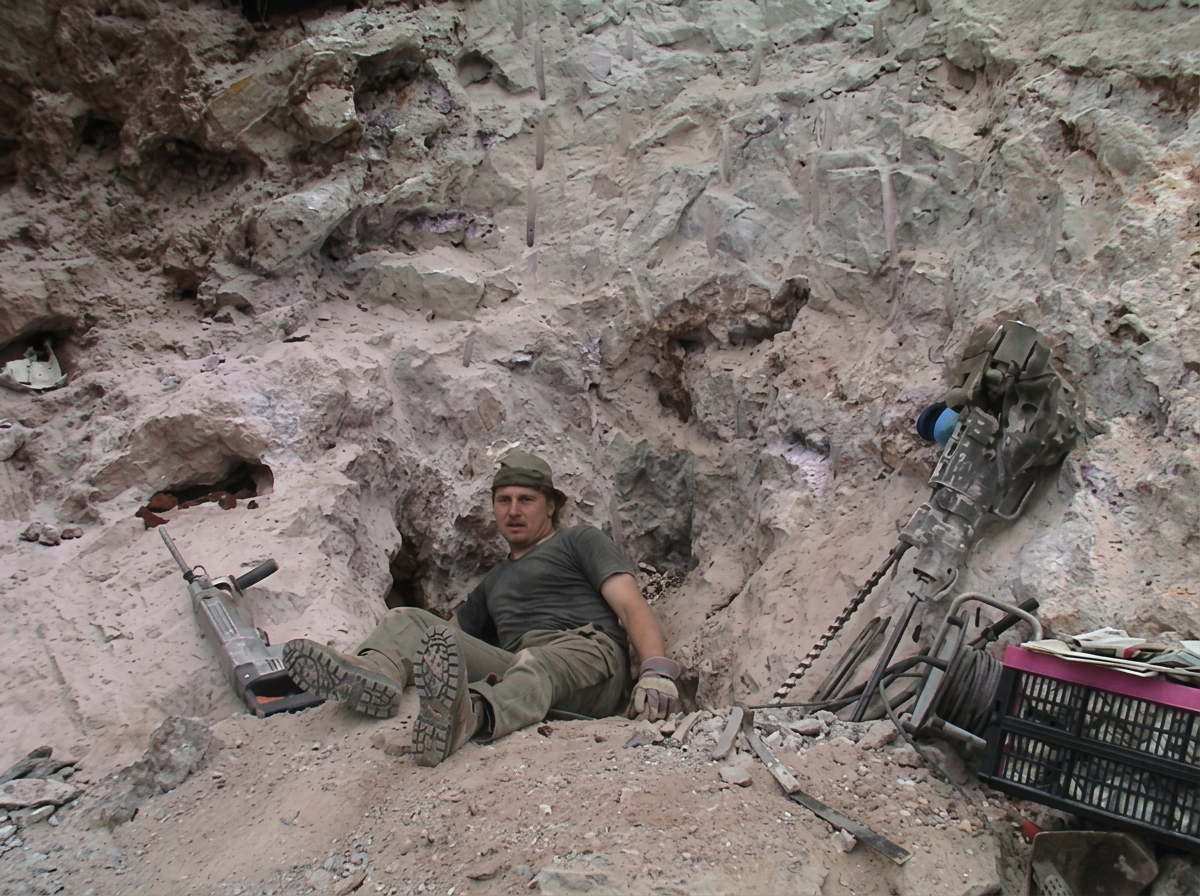
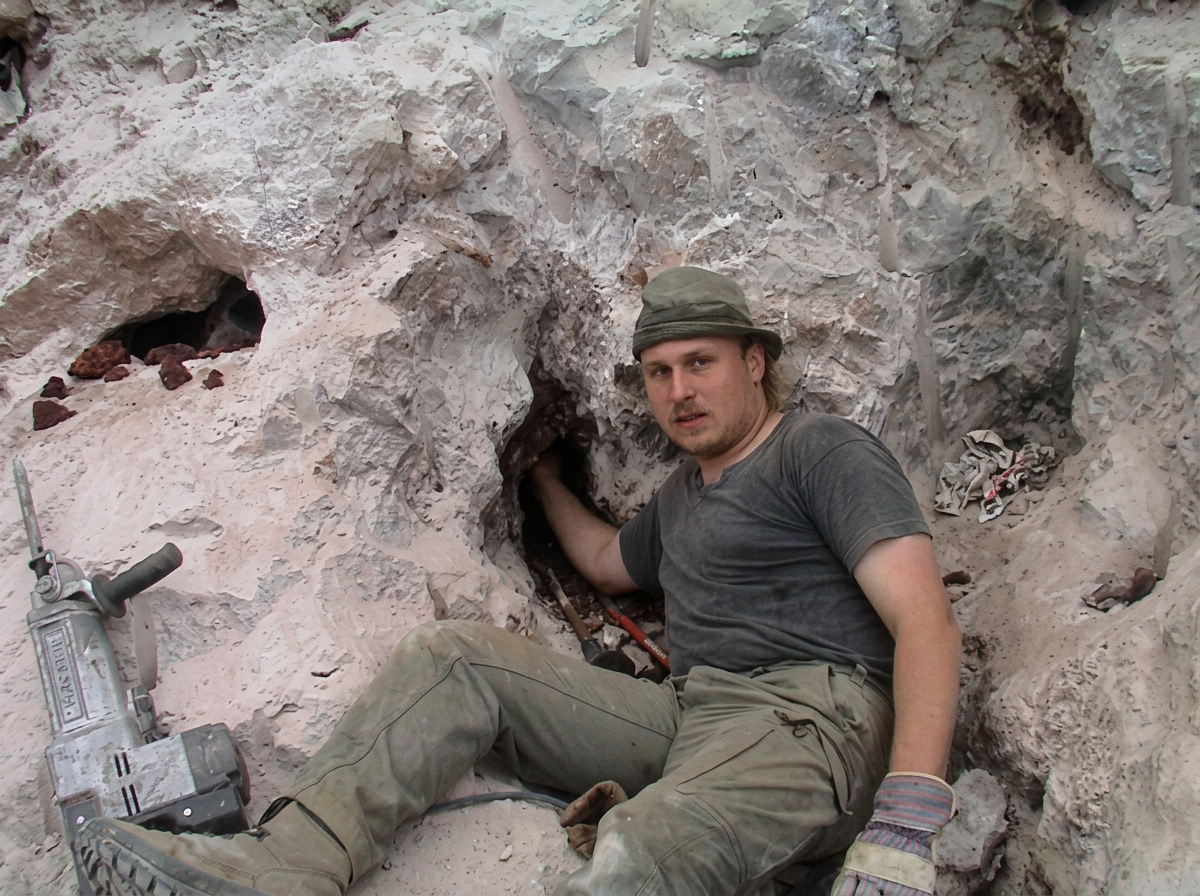
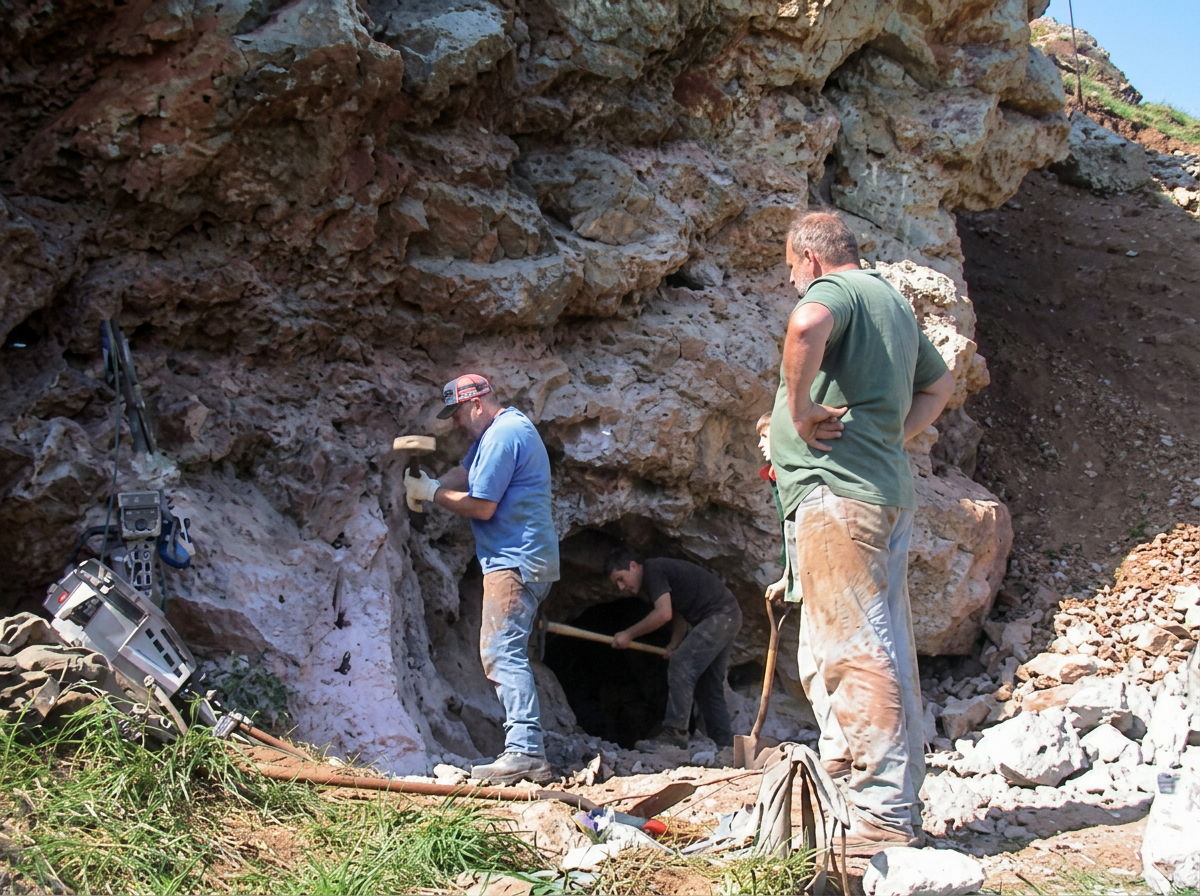
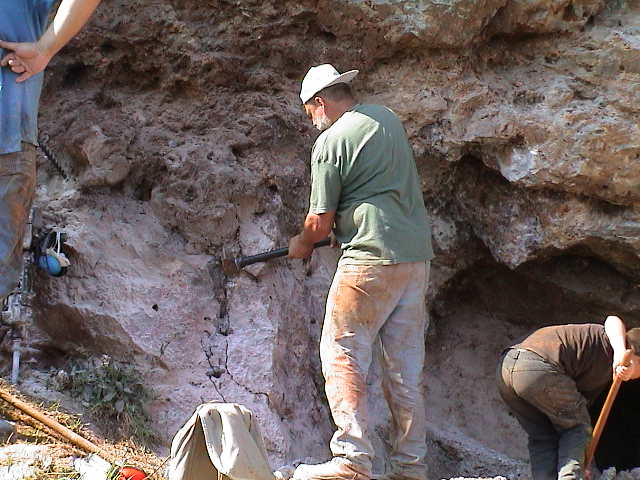
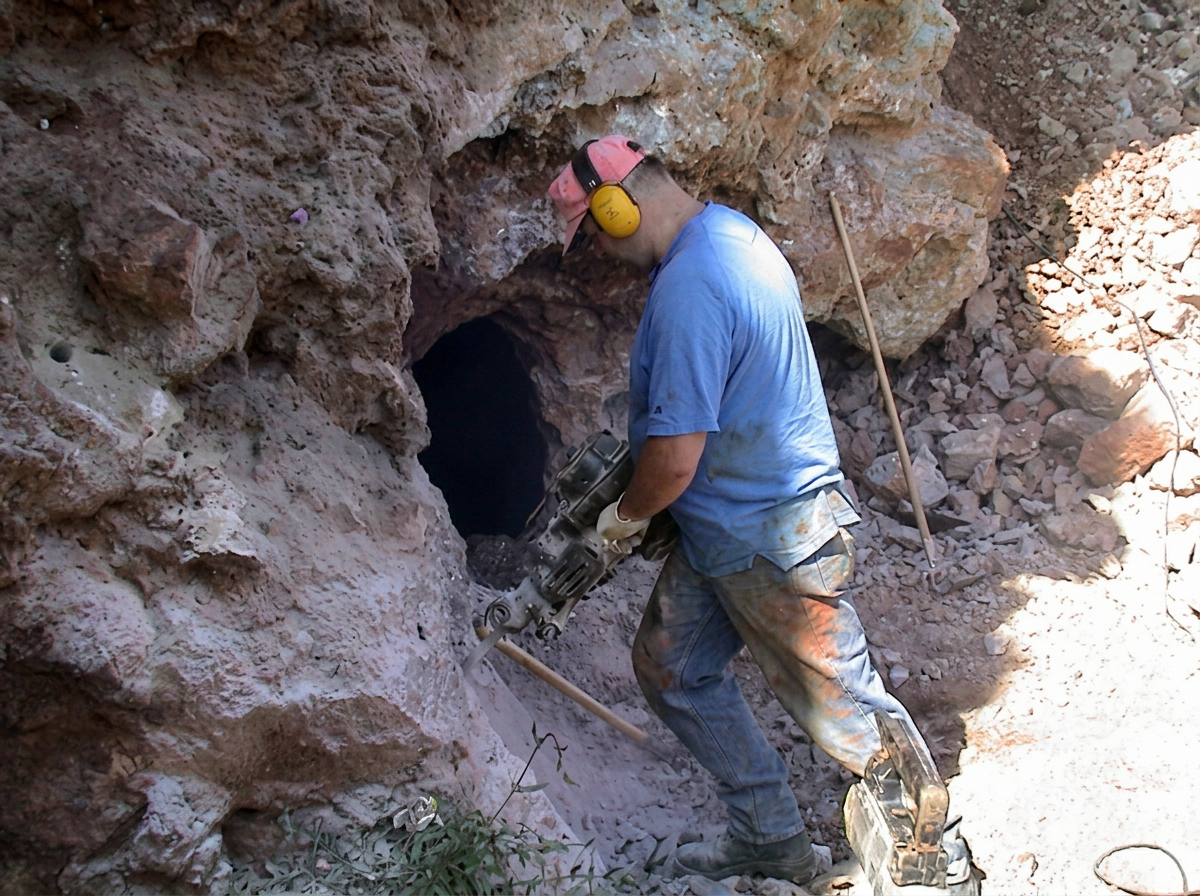
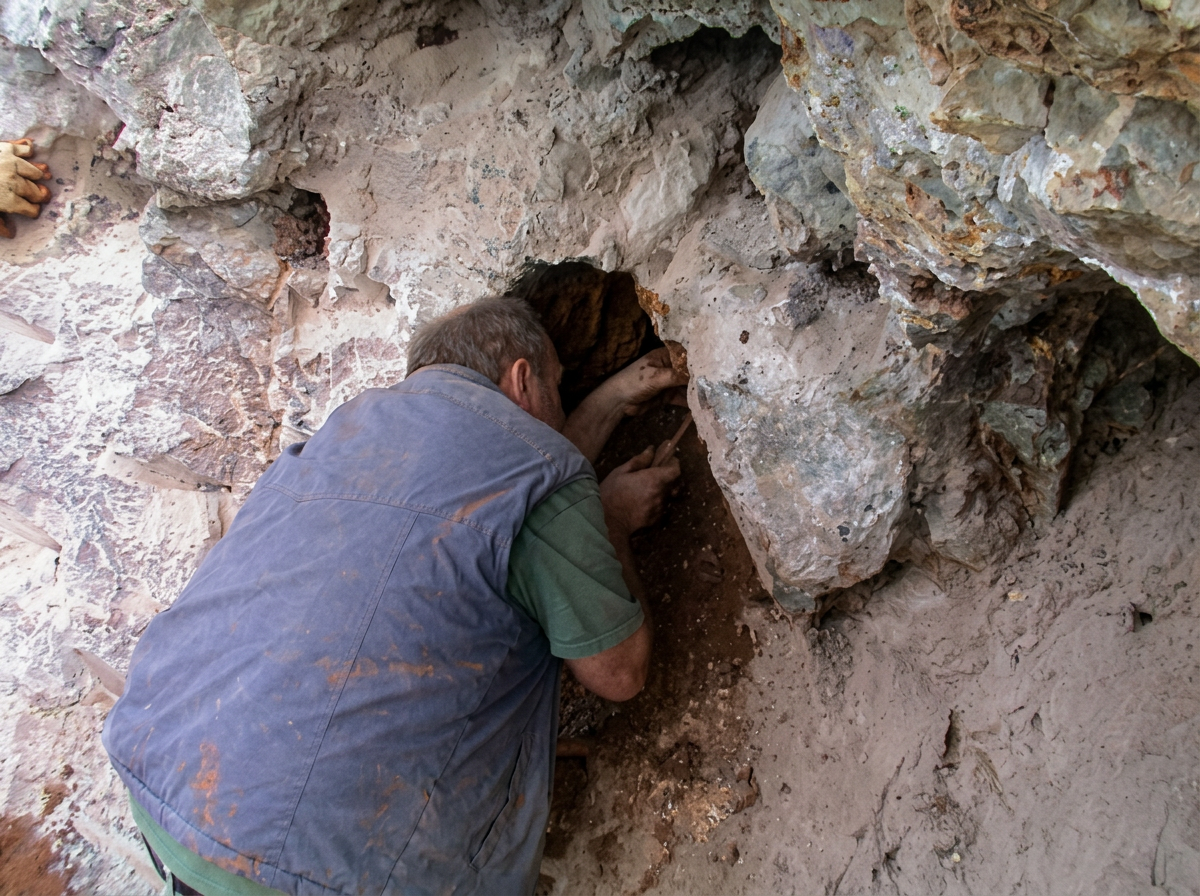
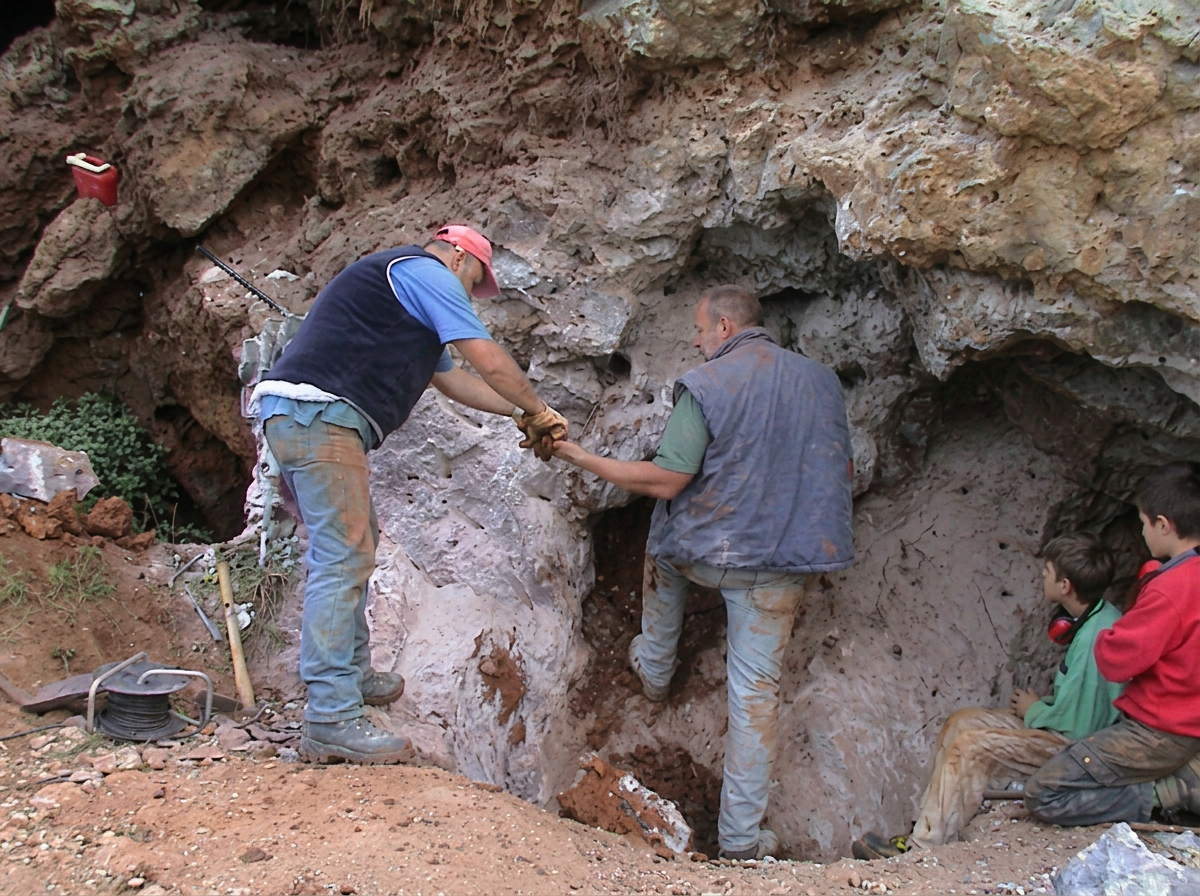
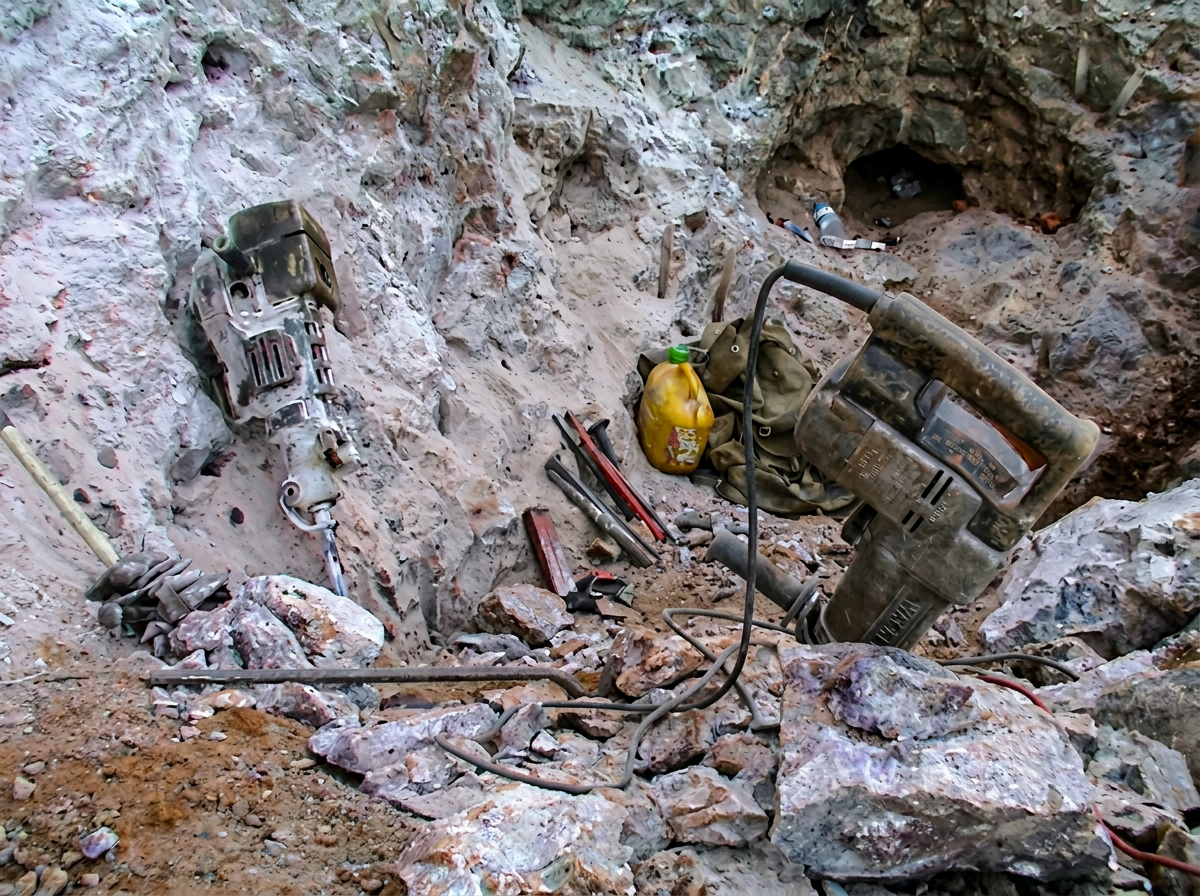
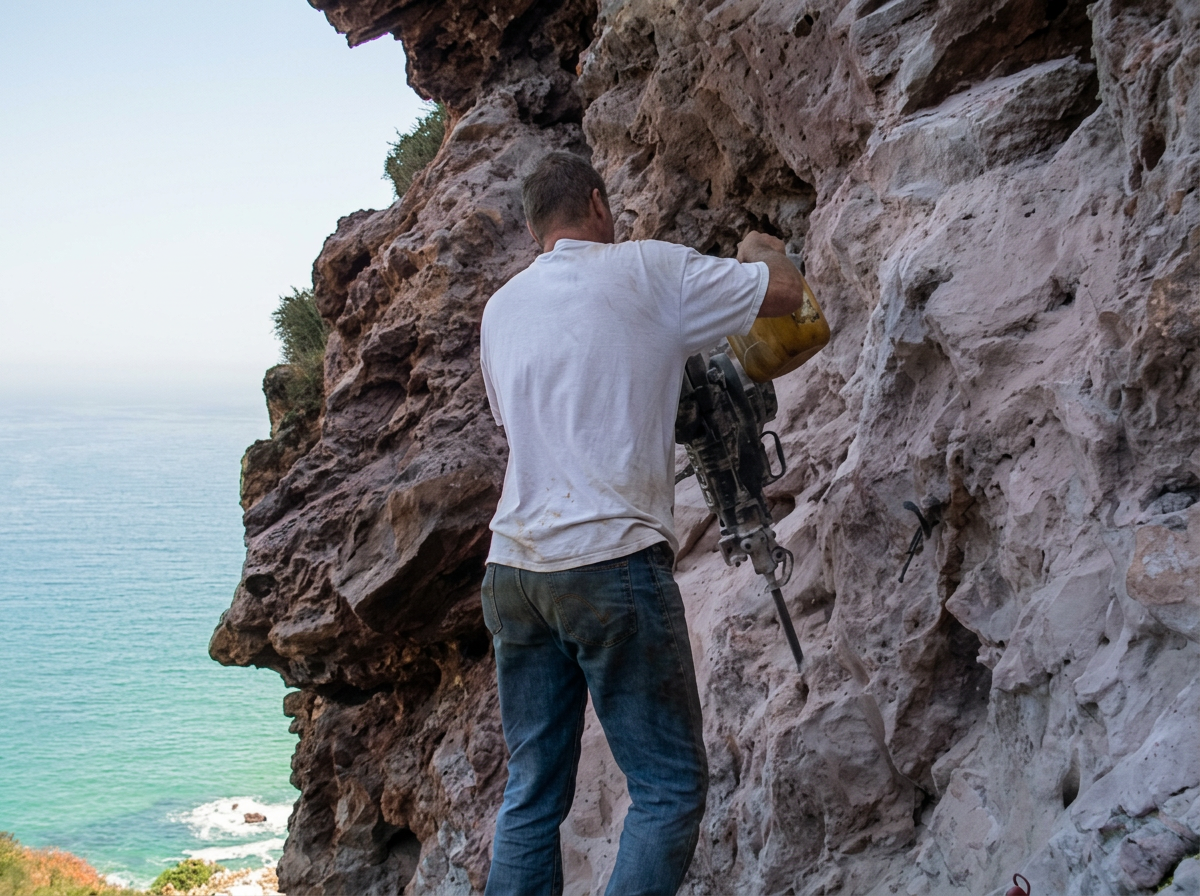
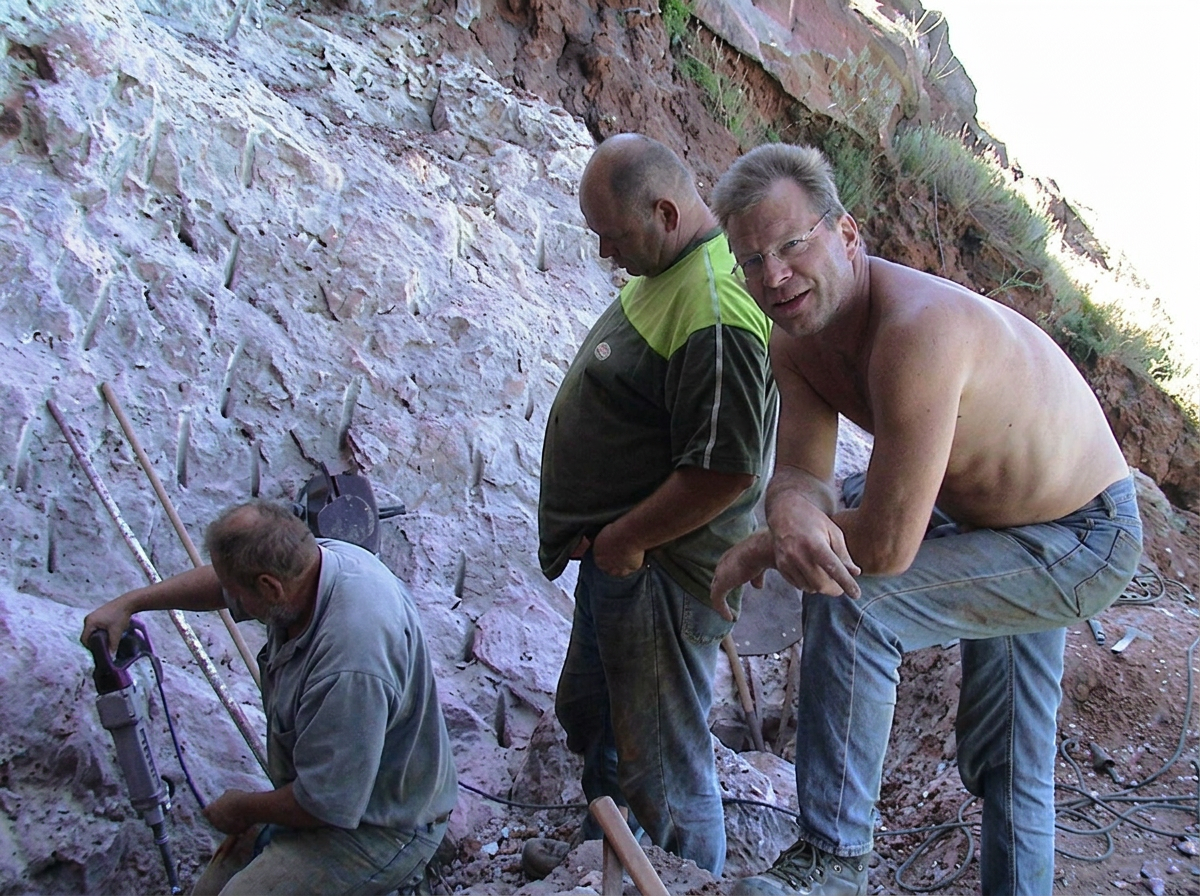
Mining in Berbes was never a solo effort. Here are some impressions of my friends and fellow mineral hunters at work — drilling, hammering, and carefully opening pockets side by side.
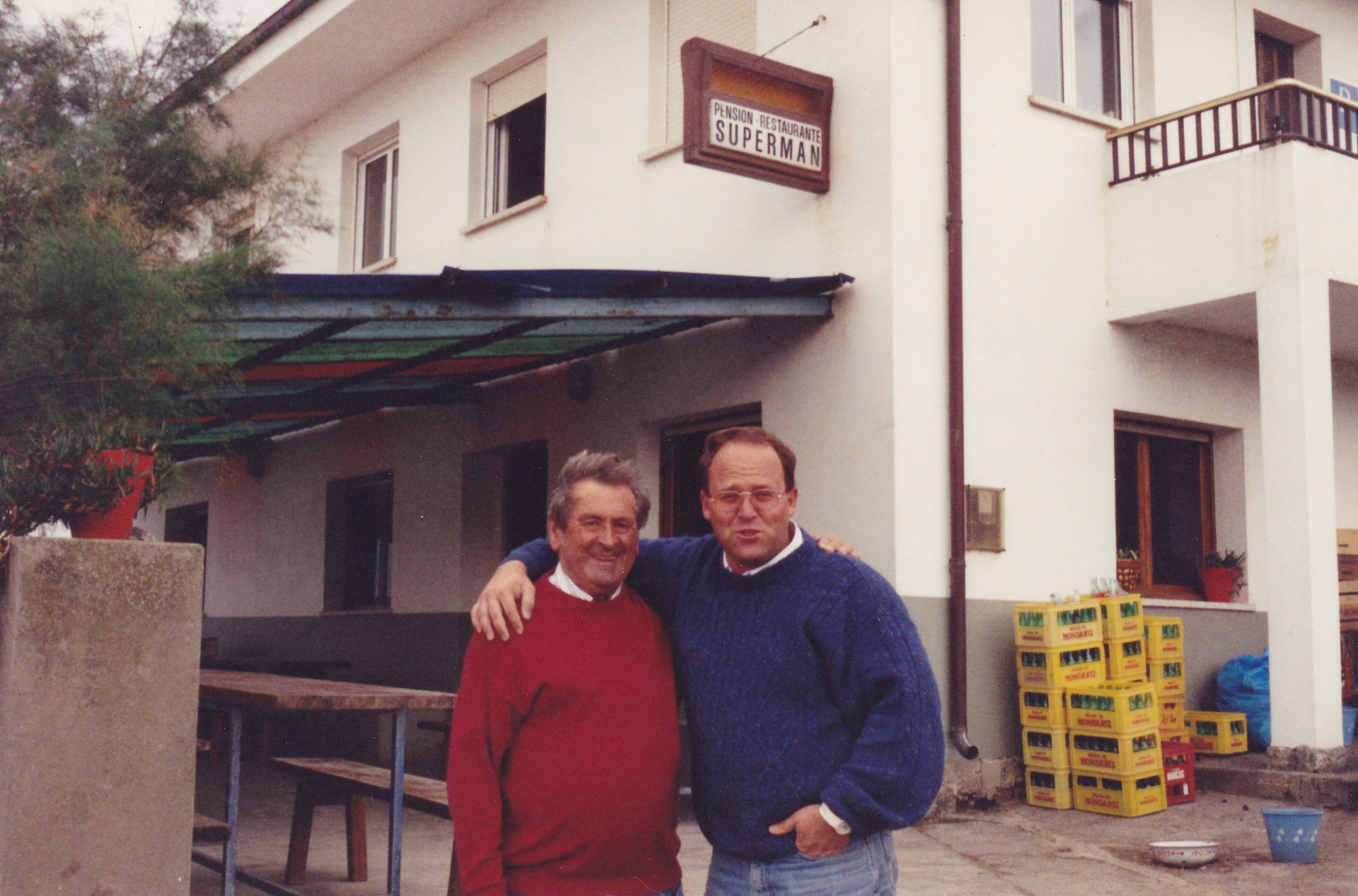
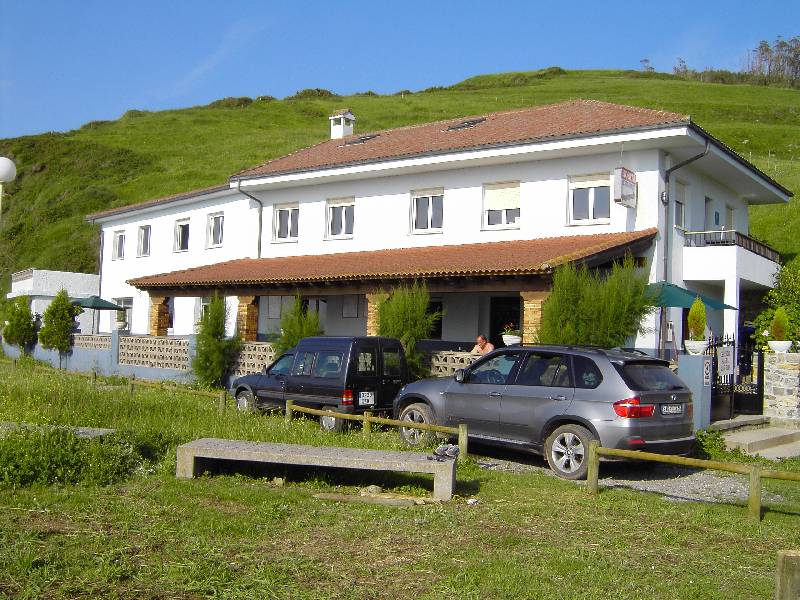
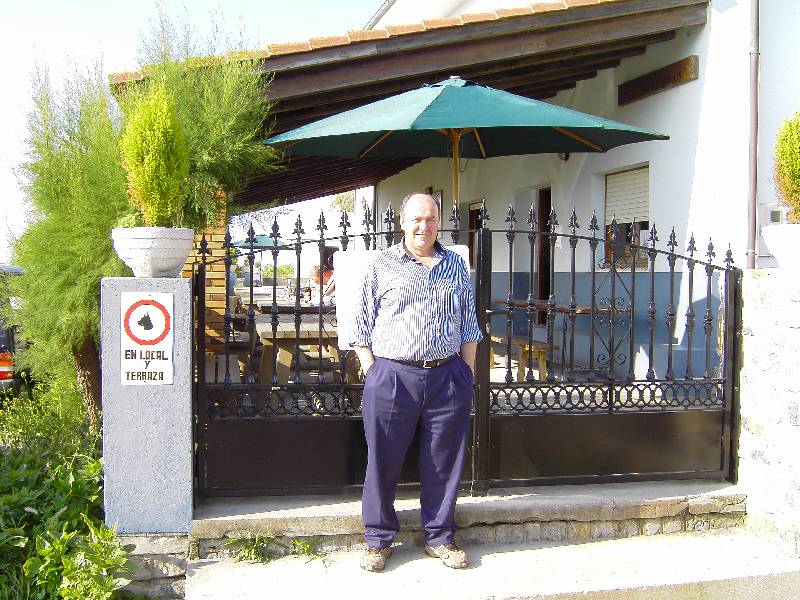
Hotel Superman
Hotel Superman was where all the miners stayed during their time in Berbes. The hospitality was wonderful — back then, a night's stay cost around five dollars, and you could get a bottle of wine for just fifty cents! We always had a great time there.
Looking back at these trips, Berbes gave us some of our most memorable moments in the field. The combination of hard physical work, the anticipation of what each pocket might reveal, and the stunning Asturian coastline as a backdrop made every visit unforgettable. Many of the Fluorites we extracted during these years are now part of our collection — each one carrying a story from these mountains.